Throughout the project, we have discussed not only good examples of teaching about Grenfell, but also some practices that should be avoided from the perspective of EDJ. Below we present a few such examples.
Lesson 1
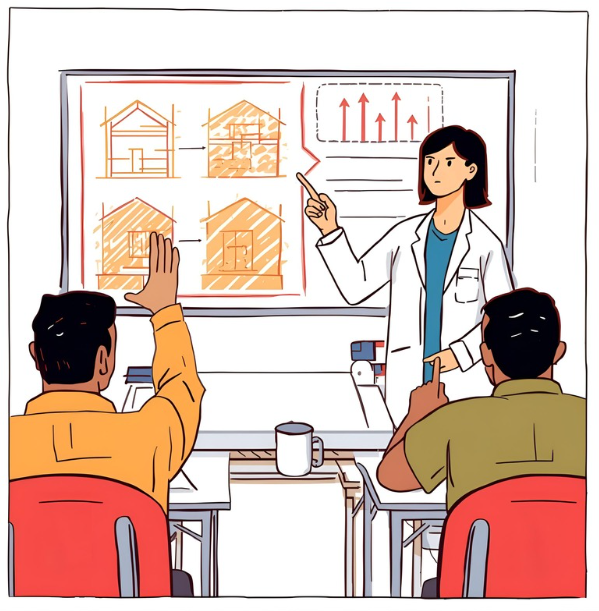
An English teacher opens a lesson by showing graphic images from news coverage of the fire to “capture attention” and generate emotional reactions. Students look visibly distressed, and one asks to leave. The teacher insists they stay, saying, “This is real life, you need to see what actually happened.” The lesson proceeds without emotional preparation or structured reflection.
What’s wrong?
This scenario sensationalises trauma, shows distressing imagery with no consent or framing, and disregards student wellbeing. EDJ emphasises trauma-informed pedagogy, safe learning environments, and avoiding harm.
Justice-oriented teaching
An English teacher prepares students in advance, explaining that the lesson involves sensitive material. No graphic images are used. Instead, students read a reflective piece written by a young survivor about resilience and community solidarity. The teacher emphasises voluntary participation, provides movement breaks, and encourages grounded discussion about empathy, language, and dignity. Students work in small groups to explore how writers convey lived experience without sensationalism.
Lesson 2
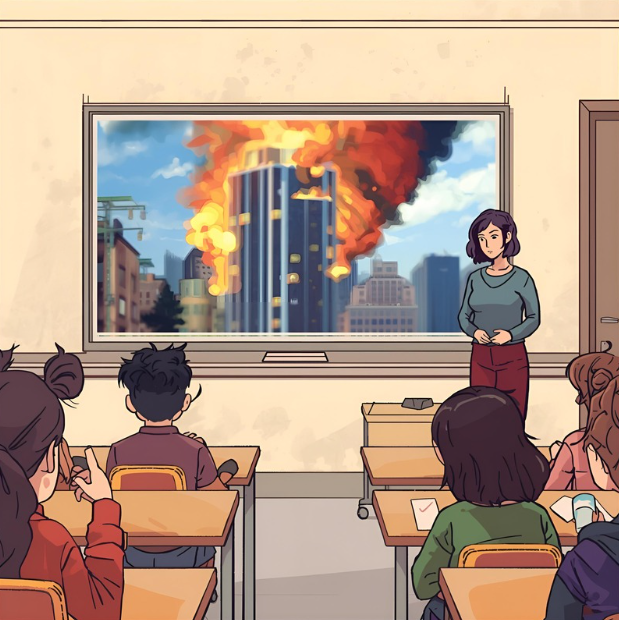
An English teacher opens a lesson by showing graphic images from news coverage of the fire to “capture attention” and generate emotional reactions. Students look visibly distressed, and one asks to leave. The teacher insists they stay, saying, “This is real life, you need to see what actually happened.” The lesson proceeds without emotional preparation or structured reflection.
What’s wrong?
This scenario sensationalises trauma, shows distressing imagery with no consent or framing, and disregards student wellbeing. EDJ emphasises trauma-informed pedagogy, safe learning environments, and avoiding harm.
Justice-oriented teaching
An English teacher prepares students in advance, explaining that the lesson involves sensitive material. No graphic images are used. Instead, students read a reflective piece written by a young survivor about resilience and community solidarity. The teacher emphasises voluntary participation, provides movement breaks, and encourages grounded discussion about empathy, language, and dignity. Students work in small groups to explore how writers convey lived experience without sensationalism.
Lesson 3
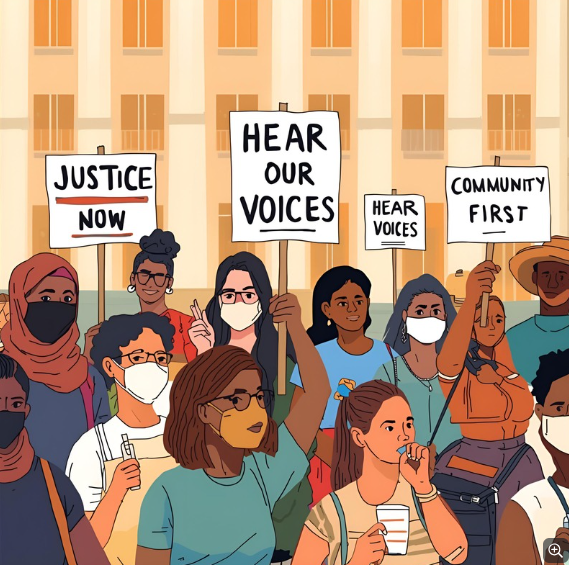
During a citizenship lesson, the teacher explains the disaster by saying, “The residents should have complained louder, and some communities don’t really engage with authorities properly.” They present no evidence, ignore the years of documented warnings, and suggest the tragedy reflects community passivity rather than systemic neglect. Students leave thinking the disaster was largely the residents’ fault.
What’s wrong?
This frames disaster victims as responsible for their own harm, reproduces harmful stereotypes, and erases systemic injustice. It violates EDJ’s principles of recognition, structural analysis, and respect for community voice.
Justice-oriented teaching
In a citizenship lesson, the teacher begins with documented evidence that residents raised repeated safety concerns that went unheeded. Students analyse excerpts from inquiry findings, council correspondence, and community testimony. Working in groups, they map out where decisions were made, whose voices were recognised or ignored, and how power shaped outcomes. The teacher highlights that disasters are socially produced and asks students to reflect on equitable representation in public decision-making.
Lesson 4

A school marks the anniversary by holding a short assembly with a slideshow of green hearts and a message about “coming together.” No mention is made of why the fire happened, ongoing struggles for justice, or the community’s perspectives. Teachers are told this single event fulfils “coverage of Grenfell” for the year. Students leave with the impression that it was simply a sad tragedy, now resolved.
What’s wrong?
This reduces Grenfell to symbolic remembrance without addressing cause, responsibility, or justice. It erases ongoing injustice and fails to engage with EDJ’s focus on structural learning, accountability, and critical citizenship.
Justice-oriented teaching
For the anniversary, a class holds a reflective session shaped around three themes: humanity, justice, and future change. Students learn about the community’s ongoing campaign for accountability, discuss what justice means in different forms (legal, moral, civic), and explore youth roles in promoting safety and ethical responsibility. They create messages or actions that emphasise remembrance and social change—moving beyond symbolic mourning to informed, compassionate citizenship.
Next: Curriculum Mapping: Where might Grenfell-related themes meaningfully sit?